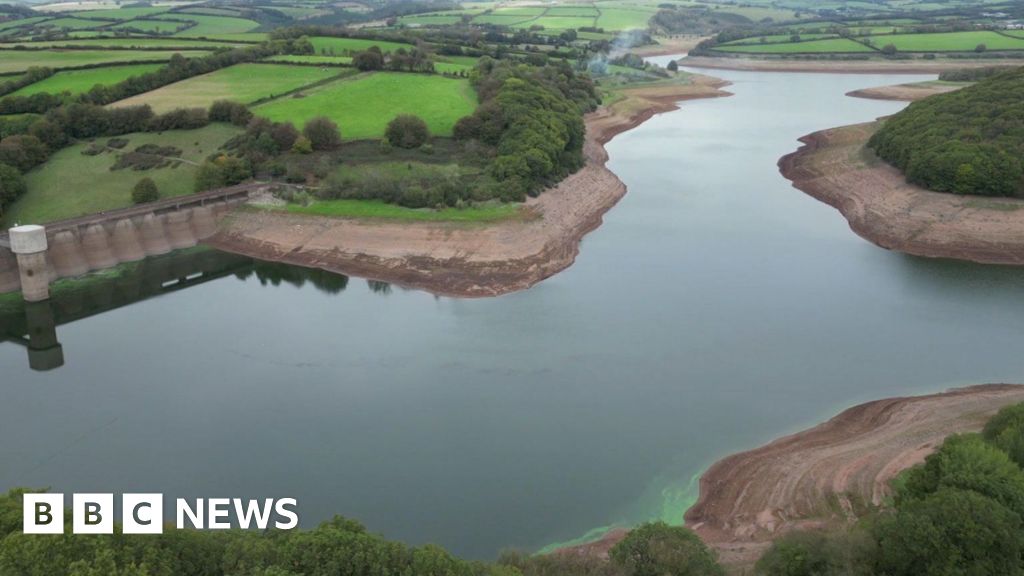
15 minutes ago Jonathan Morris South West BBC Water levels have fallen at Wimbleball reservoir on Exmoor A severe drought has been declared across parts of southern England after months of low rainfall. Parts of Cornwall, Devon, Dorset, Somerset, East Sussex and West Sussex are affected by the announcement from the Environment Agency, which followed a review of water resources and drought conditions across England by the National Drought Group. Water supplies have been significantly impacted by high demand following the hottest summer on record.
The government said customer supplies would be uninterrupted and declaring a severe drought "ensures proactive steps are taken to safeguard water before any disruption occurs". The government's plans include: Ministers instructing water companies to conduct daily monitoring of reservoir and river levels and tougher water quality monitoring The Environment Agency to increase compliance checks on businesses that withdraw water from natural sources to ensure they are only taking permitted quantities of water Environment Agency The map shows the areas affected by the severe drought in red The government said the change to severe drought status had been prompted by specific concerns for two major reservoirs, Ardingly in West Sussex and Wimbleball in Somerset. The latest figures for Wimbleball Reservoir on Exmoor show it is at 14.9% capacity, while Ardingly is 19.4% full .
Other major reservoirs are also low, including Roadford in Devon at 36.8%, Burrator at 33.6%, Colliford in Cornwall at 35% and Stithians at 21.9%. Wimbleball serves about 300,000 properties across east Devon, north Devon, Somerset, west Dorset and West Somerset. Ardingly Reservoir serves 280,000 customers across East and West Sussex.
Reuters Ardingly Reservoir's level of about 20% helped spark the severe drought The Environment Agency would expect reservoir storage to be about 75% for this time of year. The Environment Agency has granted South East Water's drought permit application to reduce the amount of water Ardingly reservoir releases each day to the River Ouse by three million litres. Separately, it has granted a drought permit application by South West Water to reduce the amount of water sent to the River Exe each day by nine million litres.
There are also concerns about several smaller reservoirs serving homes in Devon and Cornwall, the agency said. Environment Agency chief executive Philip Duffy said: "Record-breaking summer heat and severe drought have put our water resources under immense pressure. "Recovery depends on both rainfall and how much water we use.
We cannot change the weather, but water companies can act now. "We expect them to follow their drought plans and take the steps needed to secure public water supplies. "We are also asking everyone to use less water.
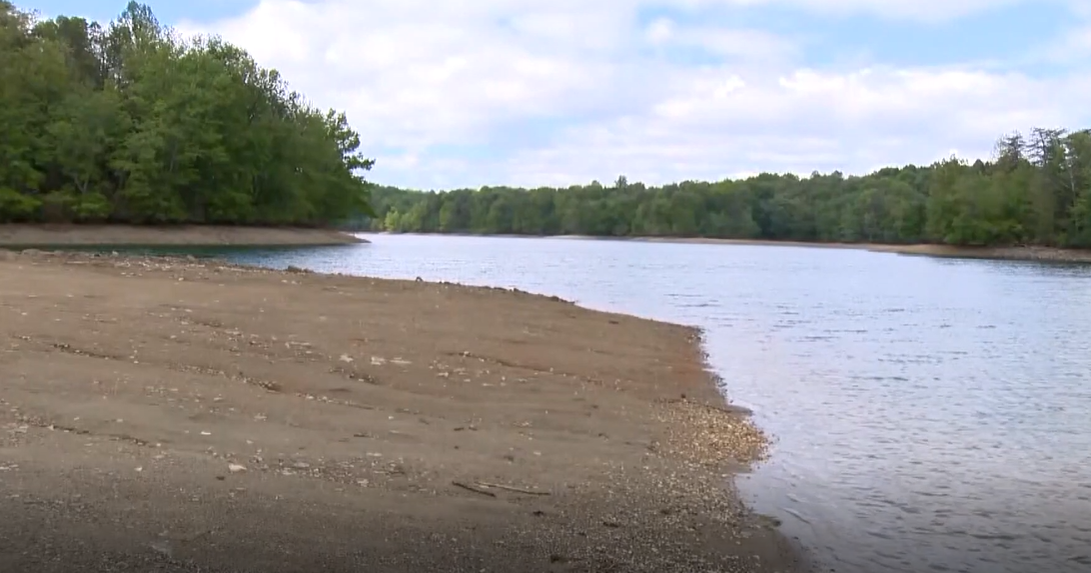
That will leave more in our rivers and the environment, helping farmers and protecting wildlife and nature." The government said the South East and South West had experienced their driest April to September in more than a century, impacting reservoir levels in that area. Environment Secretary Dame Angela Eagle said: "This level of drought is something we have not experienced for decades, so this government is stepping up our support and planning. "We are working closely with water companies to protect public supplies in the areas affected, and I'd continue to urge everyone to think about how they can use water wisely over the coming weeks." Stithian's Lake in Cornwall is just over 21% full A hosepipe ban has been in force across Devon, Cornwall, the Isles of Scilly and parts of Dorset and Somerset since 8 August and there is no definite end date.
South West Water said a "prolonged period of hot and dry weather" along with "continuous high demand for water" was behind the ban. South East Water's operations director Douglas Whitfield said standpipes remained part of the company's drought plan but were unlikely to be needed. Whitfield said a wet winter had been forecast but timings were not clear and the firm was making any adjustments it could to protect supplies.
Whitfield said South East Water, which supplies more than two million customers, said 92 repair crews were out across Sussex and Kent tackling leaks to minimise loss from the network. More on this story Related internet links
Source: BBC